
Why Touring Math No Longer Adds Up for New Artists
Rising freight costs, hollowed-out venue circuits and the collapse of mid-tier guarantees have made the traditional breakout tour a financial trap, pushing independent artists toward stranger, smarter road models.
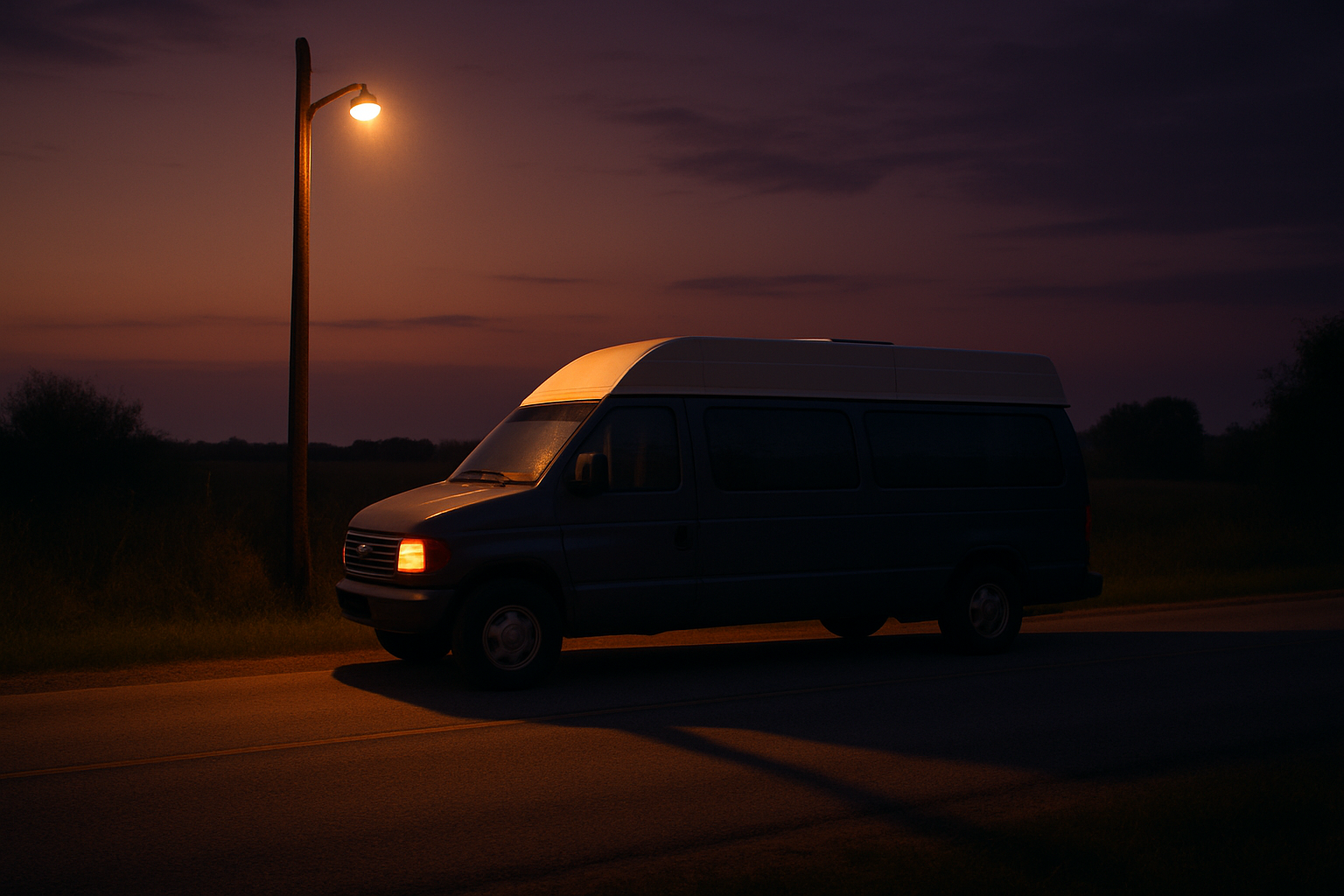
The Van Is the Problem
For decades, the breakout tour worked like a rite of passage. An artist would load a van, play forty cities in sixty days, lose a little money, gain a lot of fans, and come home with a story worth telling to a booking agent. That arithmetic has quietly broken. Fuel, lodging, insurance and crew rates have all climbed sharply since 2020, while guarantees at the small-club level have barely moved. The result is a touring model where the math no longer works for anyone who isn't already drawing six hundred paid tickets a night.
Independent artists are doing the calculations and arriving at uncomfortable conclusions. A standard four-piece band on a five-week North American run can easily face costs north of forty thousand dollars before merch sales are counted. A decade ago, that same tour might have cost half as much. The streams from the resulting exposure rarely close the gap.
Mid-Tier Venues Are Vanishing
The two-hundred to five-hundred capacity room used to be the workhorse of a touring career. It was where artists graduated from coffeehouses and proved they could fill a real space. Many of those venues have closed over the past five years, victims of pandemic debt, rising rents and consolidation by larger promoters. What remains is a barbell: tiny rooms with no production budget, and theaters that demand a level of draw most developing artists cannot yet justify.
This missing middle has a quiet but corrosive effect. Without it, there is no obvious next step between bedroom livestreams and opening slots on someone else's arena run. Artists either stall or skip ahead, gambling on supporting tours that pay little and offer no guarantee of conversion.
The Rise of the Residency
In response, a growing number of independent artists are abandoning the touring circuit entirely in favor of residencies. Three or four nights in a single city, sometimes in a venue they help curate, sometimes in a space that isn't a traditional venue at all. The economics are dramatically friendlier. No freight, no per-diems for a crew on the move, no nightly load-in chaos. Local fans travel in for the experience, and the artist controls the production from soundcheck to merch table.
Residencies also reframe what a concert is. Instead of a single transactional night, they become small festivals built around one artist's world. Listening sessions, conversations, opening acts chosen by the headliner, even non-musical programming. Audiences who would never travel three hours for a ninety-minute set will happily do so for a weekend that feels designed for them.
Regional Loops and Slow Tours
For artists who still want the romance of the road, the new model is the regional loop. Three to five cities within a day's drive, hit repeatedly over a year, deepening relationships in each one rather than touching down once and disappearing. The same artist might play a given city four times in eighteen months, each show a different format: full band, solo acoustic, in-store, after-party.
This approach treats fans less like a one-time audience and more like a recurring relationship. It also acknowledges a fact that streaming data has made unavoidable: most artists' listeners are clustered in a relatively small number of metropolitan areas. Touring a country where ninety percent of your audience lives in eight cities makes very little sense.
Rethinking What Touring Is For
The uncomfortable question hovering over all this is whether the traditional tour was ever really about the music. For decades it functioned as a marketing engine, a way to convert curious listeners into committed fans before there were other tools. Those tools now exist, and they cost less than a tank of fuel.
What the road still does, irreplaceably, is build the deep bond between an artist and the small number of people who will follow them for a decade. The artists adapting fastest are the ones designing their touring lives around that specific goal, rather than around an inherited template that no longer fits the economics. The van is not dead. It is simply no longer the only vehicle.