
Why Listening Parties Are Replacing Release Day Hype
Independent artists are quietly abandoning the all-or-nothing release day in favor of intimate listening events, and the shift is changing how new music actually finds its first real audience.
The Death of the Single-Day Spike
For years, independent artists have been coached to treat release day like a launch sequence. Pre-save links go out three weeks ahead, countdown posts flood every feed, and the artist spends the actual Friday refreshing Spotify for Artists while pretending to be calm. By Sunday, the numbers plateau, the algorithm shrugs, and the song joins the quiet majority of new releases that never quite found their people.
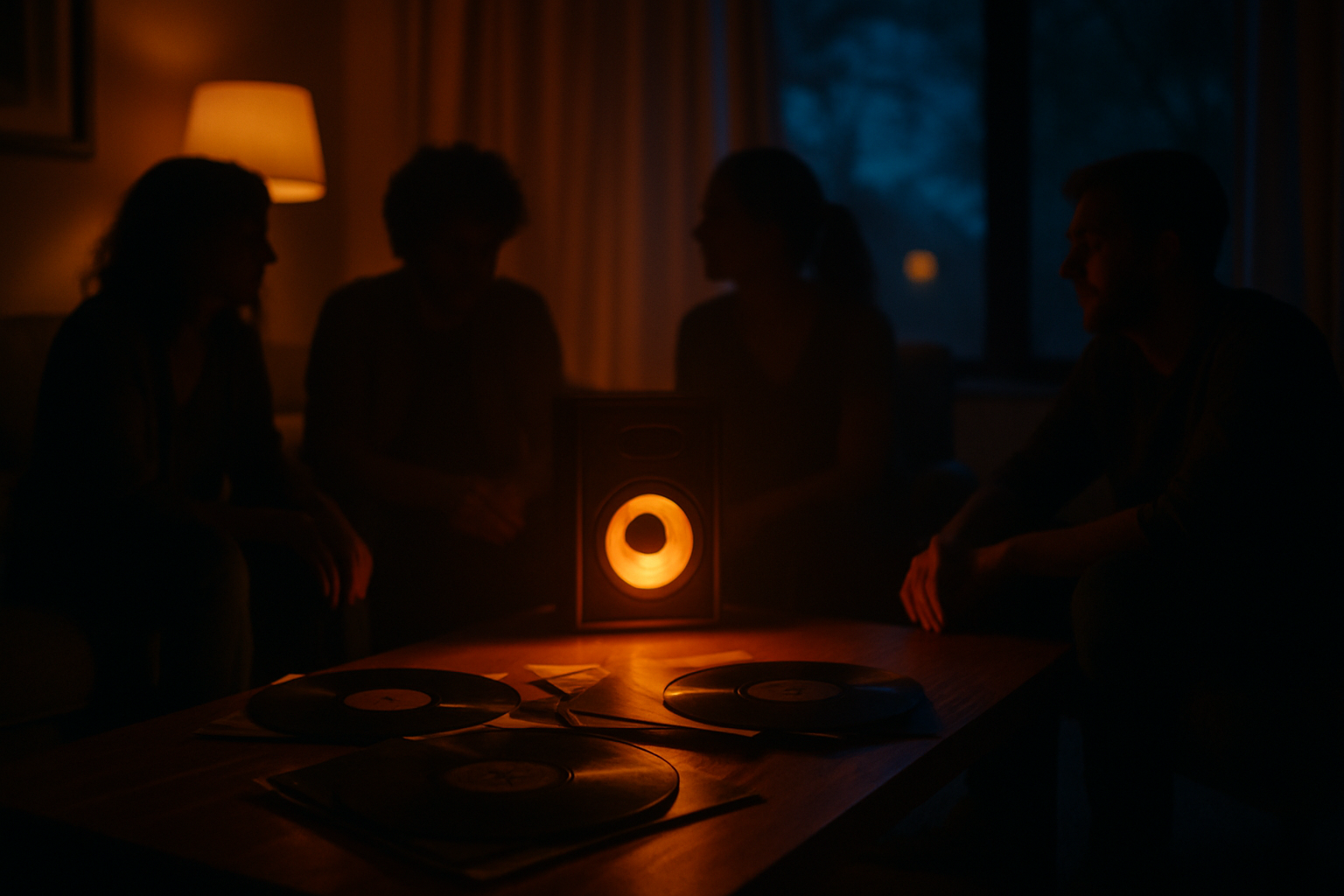
A small but growing number of independent musicians are walking away from that ritual. In its place, they are building something older and stranger: the listening party. Not the industry showcase version with open bars and label scouts, but small, deliberate gatherings — sometimes in a living room, sometimes on a Discord voice channel, sometimes in the back of a record shop — where forty or fifty people actually sit down and hear the music together before it goes anywhere else.
Why the Room Beats the Algorithm
The logic is almost embarrassingly simple. A platform release sends a song into a stream of thousands of other songs released the same day, where it competes for milliseconds of attention. A listening party puts the song in front of people who have already chosen to be there, with no skip button and no second screen winning the fight for their eyes.
What happens next is the part artists keep talking about. People who hear a song in a room with other people remember it differently. They tell friends about the experience, not just the track. They show up to the next show. They buy the vinyl when it arrives three months later. The conversion rate from listening party attendee to long-term fan is, anecdotally, dramatically higher than anything a pre-save campaign can produce.
This is not a rejection of streaming. The songs still go up on Friday. But the streaming release becomes the second act, not the main event, and it arrives with a small core of listeners already invested in the work.
The Online Version Is Quietly Thriving
The in-person version gets the romantic press, but the online listening party may be the more important development. Artists are hosting them on Discord, on Twitch, on private Zoom links sent to mailing list subscribers. They press play simultaneously, talk between tracks, answer questions about lyrics and production choices, and often share early demos or alternate mixes that will never go anywhere else.
The format works because it solves a problem streaming created. Listeners now have access to more music than any human can process, but very little context for any of it. A listening party restores context. It tells the audience what to pay attention to, what the artist was thinking, what the song was supposed to do. That kind of guided first listen is something Spotify's editorial team simply cannot offer at scale.
What This Means for Release Strategy
The shift has practical consequences for how independent artists plan a release. The pre-release window stops being about hype and starts being about gathering. Instead of asking strangers to pre-save a song they have not heard, artists are inviting their existing audience to be the first to hear it. The ask is smaller and more honest, and it tends to be met more often.
It also changes what release day measures. The Friday streaming numbers stop being the report card. The report card becomes the room, or the chat window, and the question of whether the people there wanted to come back. A song that draws sixty attentive listeners and earns thirty repeat plays over the following month is doing more real work than a song that gets two thousand passive streams and disappears.
The Return of Slow Music
There is something almost contrarian about all of this. The music industry has spent fifteen years optimizing for speed, scale and frictionless discovery. Listening parties move in the opposite direction. They are slow, small, and deliberately frictional. You have to show up. You have to listen.
For independent artists who have grown tired of shouting into algorithmic voids, that friction is starting to feel less like a limitation and more like the whole point.