
Why Indie Artists Should Treat Merch Like an Album
For independent musicians in 2025, a thoughtfully designed merch line is no longer a side hustle but a creative statement that can outlast any single release and fund the next one.
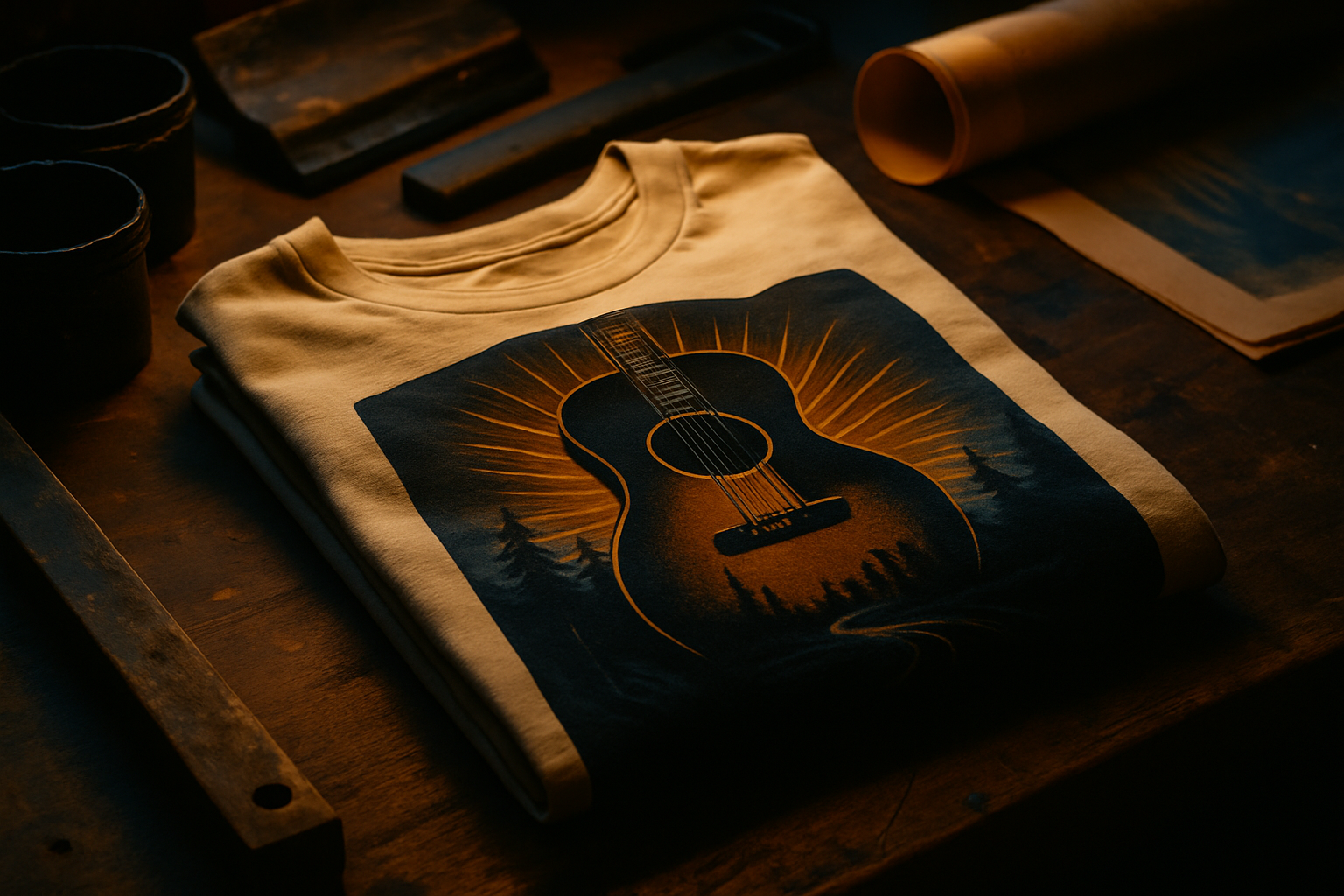
The T-Shirt Has Become the Record
For most of the streaming era, merch was treated as an afterthought — a folding table at the back of the venue, a Bandcamp add-on, a logo slapped onto a black tee. That framing is quietly collapsing. For a growing number of independent artists, merch has become the most reliable revenue stream they have, and the smartest among them are starting to treat it with the same care they once reserved for an album cycle.
The math is simple and a little brutal. A fan who streams a song a thousand times might generate a few dollars in royalties spread across a year. The same fan, buying a single well-designed hoodie, can deliver fifty dollars of margin in an afternoon. Once you accept that reality, the question stops being whether to sell merch and starts being what your merch is actually saying.
From Logo Dump to Visual Album
The artists getting this right are the ones who have stopped thinking of merch as branded inventory and started thinking of it as a parallel creative medium. A drop is curated, sequenced and released with intent. There is a palette, a reference point, sometimes a story. The hoodie nods to the lyric on track four. The patch references the album's hidden interlude. The tote bag exists because the record's cover photographer happens to also make incredible textiles.
This is not a small shift. When merch becomes part of the artistic output rather than a souvenir of it, fans respond differently. They collect rather than consume. They wait for the next drop the way they once waited for the next single. And crucially, they show up for items that no algorithm will ever recommend to anyone else.
Scarcity Is the New Streaming Strategy
There is a counterintuitive lesson hiding in all this. Streaming rewards ubiquity — the more places your song appears, the better it performs. Merch rewards the opposite. Limited runs, numbered editions, regional exclusives and one-off collaborations create the kind of urgency that a perpetually available playlist track simply cannot.
Independent artists who understand this are quietly building economies that do not depend on going viral. A run of three hundred screen-printed shirts, sold to people who already care, can fund a music video. A small vinyl pressing, designed as a physical object worth owning, can underwrite the next studio session. None of this requires a label, a sync placement or a TikTok miracle. It requires knowing your audience well enough to make something they will actually treasure.
The Logistics Problem Nobody Talks About
Of course, there is a reason merch has historically been treated as an afterthought: the operational side is genuinely hard. Print-on-demand services have lowered the barrier dramatically, but they have also flattened the aesthetic. The shirts feel the same. The blanks come from the same three suppliers. The result is a sea of indie merch that looks almost identical, which defeats the entire point of using physical goods to stand out.
The artists treating merch seriously are reinvesting time into the boring parts. They are sourcing better blanks, working with local printers, photographing their drops properly and shipping with packaging that signals care. It costs more upfront, but it transforms the unboxing into part of the experience — and the unboxing, increasingly, is the marketing.
A Different Definition of Success
None of this is a pitch to abandon recorded music or chase fashion ambitions. Songs remain the reason any of this exists. But the old model, where merch funded the tour and the tour funded the next record, has fractured. For independent artists today, merch can fund the record directly, build a tangible bond with a smaller audience and create artifacts that outlive any algorithmic moment.
The T-shirt was never just a T-shirt. It is increasingly the most honest object in an artist's catalog — bought on purpose, worn in public, kept for years. Treating it accordingly might be one of the most quietly radical moves an independent musician can make in 2025.