
The Quiet Power Shift Toward Fan-Driven Discovery
As algorithms tighten their grip on what we hear, a counter-current is rising: fans themselves are becoming the most reliable engine of independent music discovery in years.
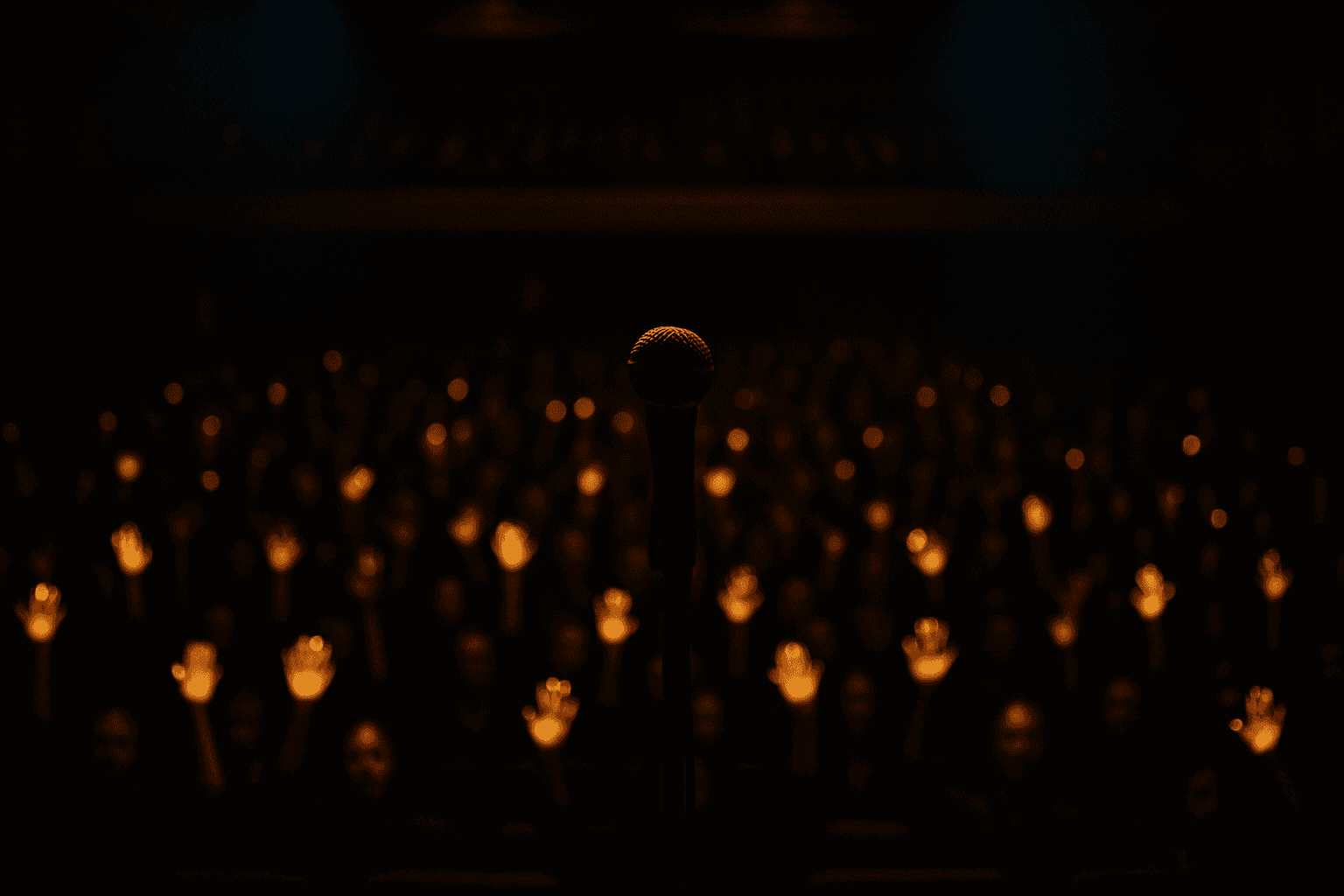
The Algorithm Isn't Listening Anymore
For the better part of a decade, independent artists have been told to feed the algorithm. Optimize the hook for the first eight seconds. Post a clip every other day. Pray for a playlist add. The unspoken promise was that if you played by the rules, the machines would find your audience for you.
That promise is fraying. Editorial playlist slots are increasingly dominated by major-label priorities and AI-generated background music. Recommendation engines, tuned for retention rather than taste, tend to recycle the familiar. Independent artists who once broke through on the strength of a single algorithmic push are watching that door close.
And yet, something interesting is happening in the gap. Fans are stepping back into the role they used to own: the role of tastemaker.
The Return of the True Believer
Walk through any corner of music fandom today and you will find micro-communities doing the work that algorithms were supposed to do. Discord servers trading demos. Subreddits annotating obscure releases line by line. Group chats sending Bandcamp links at three in the morning. TikTok edits pulling a forgotten verse out of a deep cut and giving it a second life.
This is not nostalgia. It is a structural response to a market that has stopped serving curious listeners. When the platforms flatten everything into a uniform feed, the people who actually care about music form their own networks. They become editors, archivists, evangelists.
For independent artists, this represents a meaningful shift. A thousand true fans are no longer just a romantic Kevin Kelly thought experiment. They are a survival strategy, and increasingly a competitive advantage. A small base of engaged listeners who share, vote, stream, attend and buy can outperform a much larger pool of passive algorithmic impressions.
What Charts Are Actually For
This is where charts, particularly fan-vote and engagement-weighted charts, start to matter again. For years, the dominant chart logic was simple: count the streams. But raw stream counts measure exposure more than affection. They reward whoever has the largest promotional budget on a given Friday.
A chart that incorporates fan voting, follower growth and subscriber momentum tells a different story. It measures intent. Someone has to choose to act, not just leave a track playing in the background. That signal is harder to manufacture and more honest about who is actually building an audience.
For an independent artist with a small but committed following, this is leverage. The gap between a viral major release and a regional cult favorite narrows when the metric shifts from sheer volume to genuine engagement. A devoted fan base in one city can put an unsigned artist on a global leaderboard, which in turn opens doors that the streaming machine refuses to open on its own.
The Catch No One Talks About
None of this is a free lunch. Fan-driven discovery demands something from artists that algorithmic discovery did not: actual relationships. You cannot automate a community. You can schedule posts, but you cannot schedule trust.
This is uncomfortable for artists who came up believing their job was to make the music and let the platforms handle distribution. It is also uncomfortable for those exhausted by the parasocial demands of constant online presence. The honest answer is that fan-driven discovery is not necessarily easier than chasing the algorithm. It is just more durable.
The artists who seem to be navigating this best are not the loudest online. They are the ones who treat their early supporters like collaborators rather than conversion metrics. They show up consistently, share the messy parts of the process, and let the work travel through human channels rather than forcing it through automated ones.
A Slower, Truer Pipeline
The romantic version of this story is that fans are saving music. The realistic version is that fans are once again being asked to do unpaid cultural labor, and many of them are happy to do it because the alternative is a feed of algorithmic sludge.
For independent artists, the lesson is straightforward, if not simple. The crowd is back in the room. The question is whether you are making music worth talking about, and whether you are willing to be in conversation with the people who do the talking.