The Quiet Power of the Email List in 2025
While independent artists chase algorithms across a dozen platforms, the humble email newsletter is quietly becoming the most reliable bridge between musicians and the listeners who actually care.
A Forgotten Tool Finds Its Moment
For years, the email list has been treated as a relic of the early internet — something podcasters and authors fuss over while musicians chase TikTok trends and Spotify playlist pitches. But in 2025, a growing number of independent artists are quietly rediscovering the inbox, and the results are reshaping how careers get built outside the major-label system.
The shift is partly defensive. Social platforms have become unpredictable landlords, raising the rent on reach with every algorithm tweak. A post that would have surfaced to half an artist's followers two years ago now reaches a fraction of that, and even verified accounts are funneled into pay-to-promote dead ends. Against this backdrop, owning a direct line to listeners has gone from quaint to essential.
Why the Inbox Outperforms the Feed
The numbers behind email are unglamorous but stubborn. Open rates for engaged music newsletters routinely sit between thirty and fifty percent, while organic reach on most social platforms hovers in the low single digits. A musician with two thousand newsletter subscribers can often outsell one with fifty thousand passive followers when a new record drops.
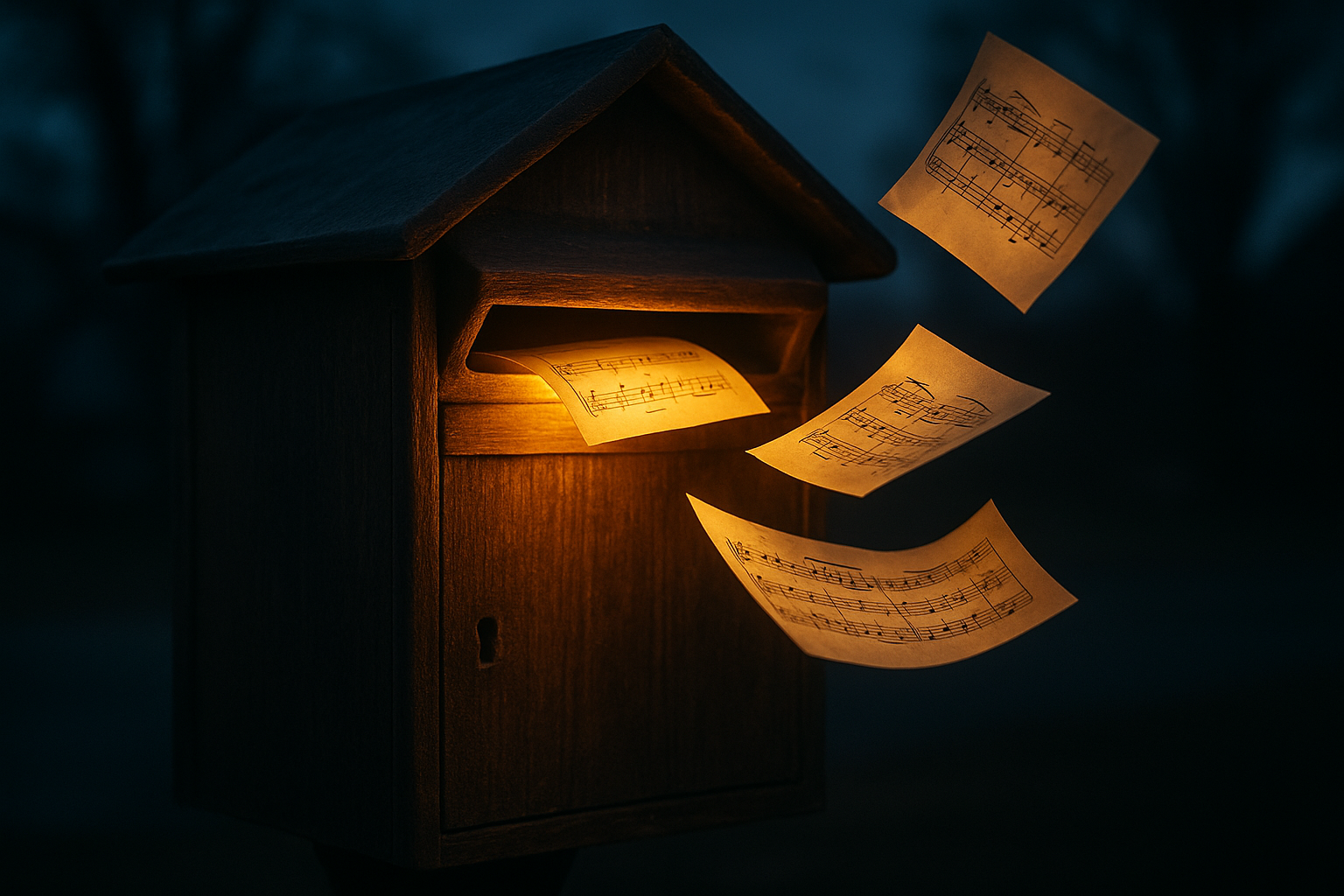
Part of this comes down to attention. A feed is a casino floor; an inbox is closer to a mailbox. Subscribers have actively asked to hear from the artist, which means they arrive ready to listen rather than ready to scroll. That intent translates into pre-orders, vinyl sales, ticket purchases and, increasingly, paid memberships that subsidize entire albums.
There is also a generational surprise tucked into the data. Younger listeners, often assumed to be allergic to email, are subscribing in growing numbers — not to corporate blasts, but to personal letters from artists they trust. The newsletter, framed correctly, feels less like marketing and more like correspondence.
The Newsletter as Creative Practice
What is striking about the artists doing this well is that they treat the newsletter as part of the work, not a chore appended to it. Some send voice memos and demos months before official release. Others write essays about the songs they are listening to, the cities they pass through on tour, the gear they are obsessed with. A few have built entire serialized projects inside email, releasing chapters of a record one track at a time to subscribers before any platform sees them.
This approach reframes a key question for independent musicians. Instead of asking how to convert followers into fans, the newsletter asks how to convert listeners into readers — people willing to spend five minutes inside an artist's world rather than five seconds. It is a slower kind of relationship, and it scales differently. A thousand committed readers can support a touring career; a hundred thousand passive followers often cannot.
The Trade-Offs Nobody Mentions
None of this is free, of course. Building a list takes years, and the early months can feel demoralizing when subscriber counts crawl into the double digits. Writing regularly is its own discipline, and not every musician wants to become a part-time essayist. There are also real costs once a list grows past a few thousand names, since most email platforms begin charging meaningfully at that point.
There is a subtler risk too. A newsletter that becomes purely transactional — tour dates, merch drops, streaming links — performs worse than one that offers genuine perspective, and rebuilding trust after a stretch of pure promotion is harder than it looks. The artists succeeding here are the ones who resist the temptation to optimize, treating the list as a long conversation rather than a sales funnel.
A Quiet Kind of Independence
The deeper appeal of the email list is structural. It cannot be deplatformed by a policy change, deranked by a new algorithm, or bought out from under an artist by a sudden acquisition. The list belongs to the musician, exportable and portable, in a way that no follower count ever truly does.
For independent artists weighing where to invest their limited time, that durability matters more each year. The inbox will never be as glamorous as a viral clip or a playlist add. But it might be the most boring, most underrated infrastructure decision a working musician can make in 2025 — and the one most likely to still be paying dividends a decade from now.