
The Hidden Cost of Algorithmic Discovery for Indies
Algorithmic playlists promised independent artists a fair shot at global ears, but the reality is a quieter kind of gatekeeping that rewards conformity over craft and erodes the very diversity it claims to celebrate.
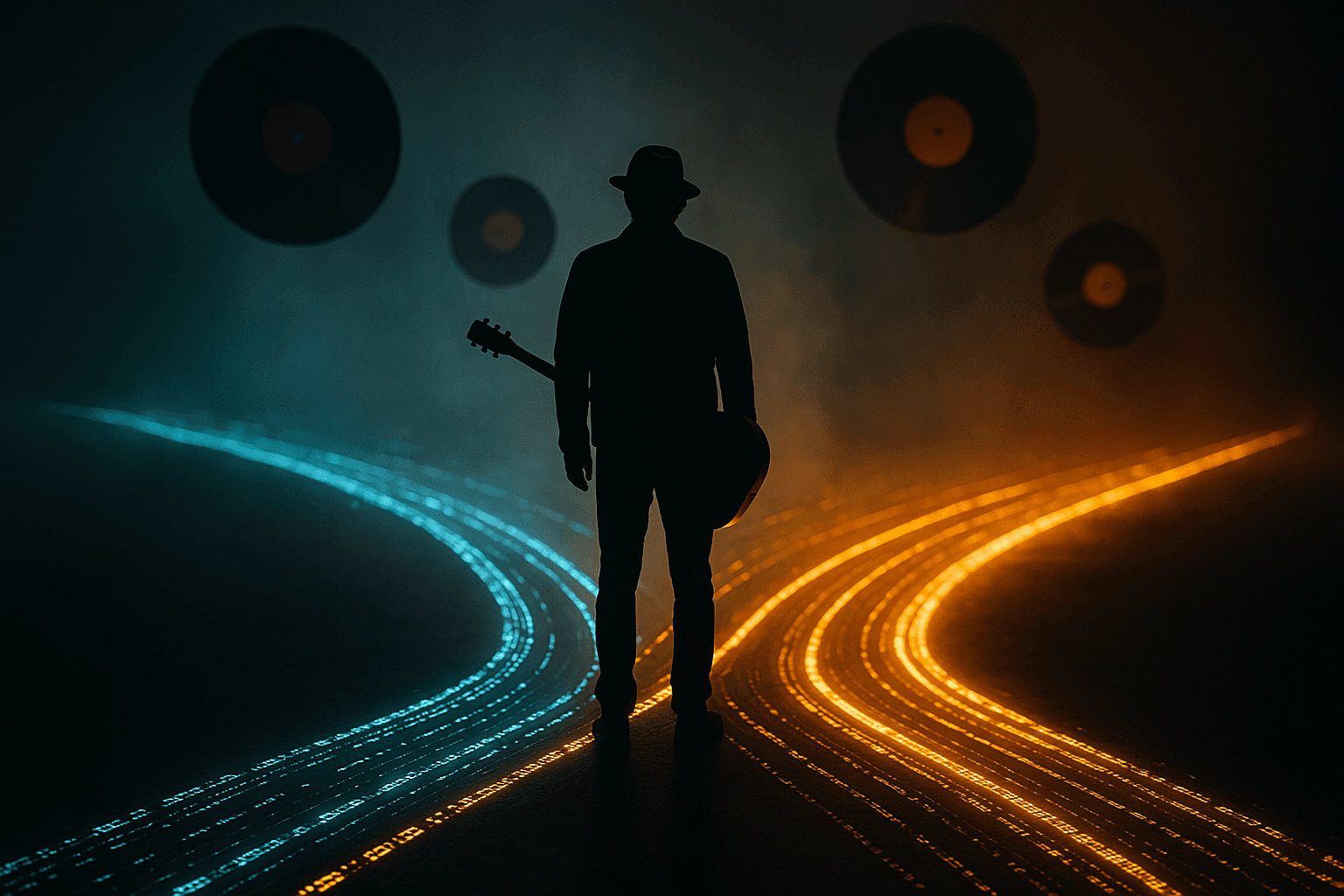
The Promise That Sold a Generation
When streaming platforms began folding machine learning into their recommendation engines, the pitch to independent artists was intoxicating. No more begging radio programmers. No more waiting for a label to greenlight a tour. Upload your track, tag it correctly, and the algorithm would find your audience. Talent, finally, would meet listeners on something resembling a level field.
A decade in, that promise looks more complicated. Yes, bedroom producers in Lagos, Jakarta and Medellín have built international followings without ever signing a deal. But the system that lifted them has also quietly rewritten what it means to make a career in music, and not always in the artist's favor.
The Algorithm Has a Taste, and It's Specific
Recommendation engines are not neutral. They are trained on listener behavior, which means they reward what already performs: short intros, familiar structures, sonic palettes that sit comfortably next to whatever the user just played. The system is exquisitely tuned to keep someone listening for one more track, not to introduce them to something genuinely strange.
For independent artists, this creates a subtle pressure that feels nothing like the old A&R gatekeeping but functions remarkably similarly. Want your song to land on an editorial-adjacent algorithmic playlist? Cut the 40-second ambient intro. Hit the hook before the 15-second mark. Match the loudness profile of whatever genre cluster you're chasing. The advice circulates in producer forums and TikTok tutorials, dressed up as savvy professionalism. It is, in effect, a style guide written by a machine.
The artists who thrive are often those most willing to internalize this guide. The ones who don't, the slow-burners, the genre-blenders, the album-as-a-statement believers, watch their work get throttled before it ever reaches a human ear.
Discovery Without Memory
There is another quieter problem. Algorithmic discovery tends to be frictionless and forgettable. A listener might play your song twelve times in a week because it surfaced on their daily mix, then never seek it out again, because they never registered who made it. The track entered their life as ambient texture, not as a signed work by a specific human.
For an indie artist trying to build the kind of devoted audience that shows up to shows, buys vinyl and funds the next record, this is catastrophic. Streams accumulate. Fandom does not. The economics of independent music still depend, ultimately, on people caring who you are. Algorithms are not designed to make them care. They are designed to keep them listening.
The Return of the Curator
The most interesting response from independent artists in the last few years has been a deliberate move away from algorithmic dependency. Newsletters, Discord servers, Bandcamp Fridays, small-scale Patreon-style memberships, livestreamed listening parties. None of these scale the way a viral playlist add does. All of them produce something the algorithm cannot: a relationship.
Human curators are quietly making a comeback too. Independent radio stations, taste-driven Substacks, regional blogs that never quite died. Their reach is modest, but their listeners arrive with intent. A thousand engaged fans surfaced through a trusted curator are worth more, financially and creatively, than a hundred thousand passive streams.
What the Industry Owes Independent Artists
If platforms are serious about supporting independent music, the conversation needs to move beyond royalty rates, important as those are. It needs to address the design choices that shape what gets heard. Transparency about how algorithmic playlists are populated. Tools that let artists see why a track is or isn't being recommended. Discovery surfaces that prioritize artist identity, not just sonic similarity.
Independent artists do not need protection from competition. They have always thrived on it. What they need is a discovery ecosystem that values the thing they actually offer: distinct voices, unpredictable choices, music that does not always fit neatly into a mood-based playlist.
The alternative is a streaming landscape that looks more diverse than ever on the surface, while quietly nudging everyone toward the same middle. That is not a revolution. That is the old gatekeeping, wearing a friendlier interface.