
Soundtrack Music's Quiet Shift Toward Standalone Storytelling
Once tethered to films and games, soundtrack music is increasingly arriving as self-contained narrative work, and a small but telling entry on this week's chart hints at where the genre is heading.
A Genre Learning to Stand Alone
For most of its history, soundtrack music has been defined by what it accompanies. A cue belongs to a scene, a theme belongs to a hero, a swell of strings belongs to the moment a character finally makes the right decision. But something quietly interesting is happening in the soundtrack category right now: tracks are arriving without films, without games, without trailers attached to them at all. They behave like cinematic music, but they ask listeners to supply the picture.
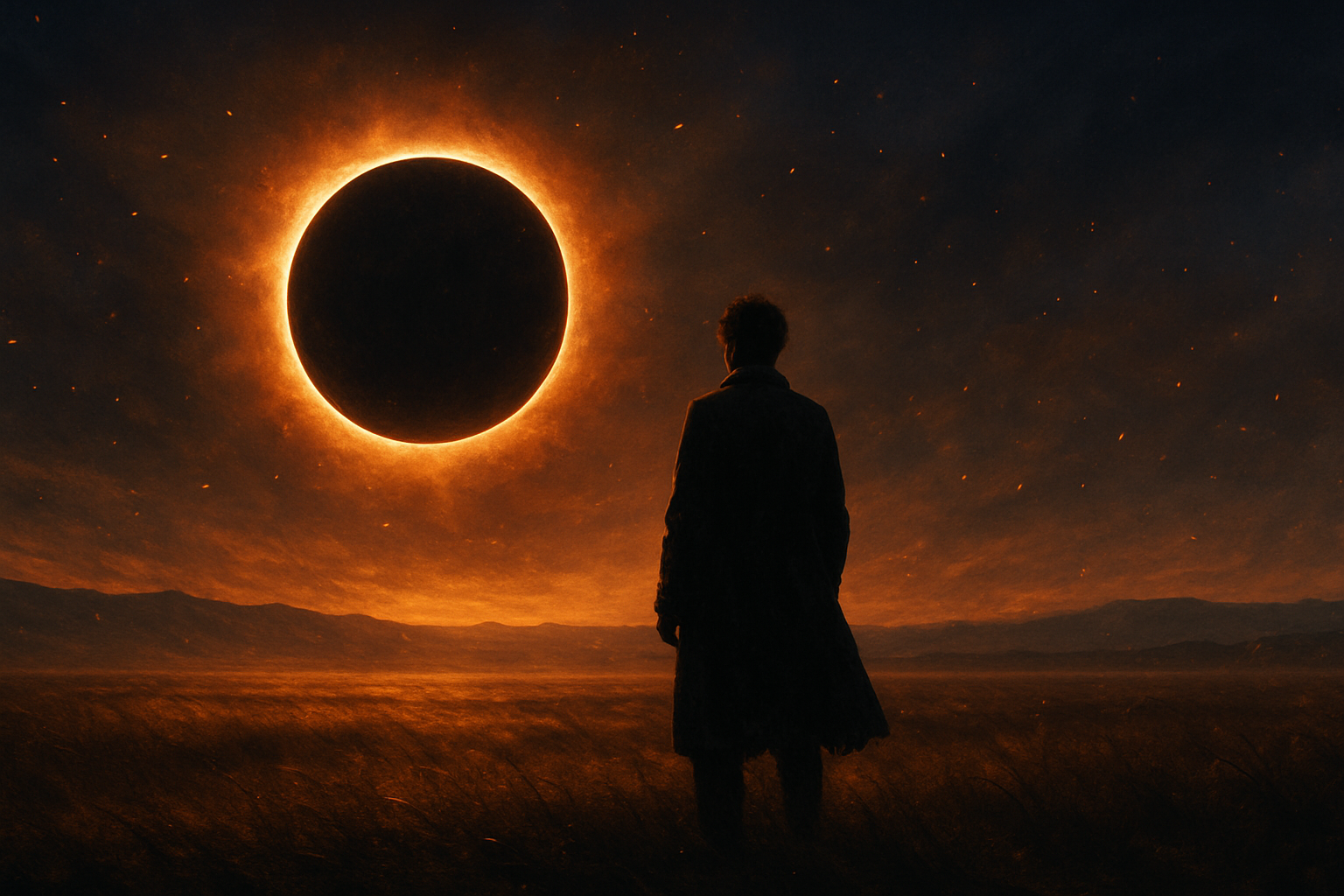
The current Soundtrack leader on WorldWide Music Star, By Ash and Flame's "Eclipse of the Eternal Sun," is a neat example. The title alone reads like a chapter heading from a novel that hasn't been written yet, and the modest early vote count and streaming footprint matter less than the fact that the track exists as its own self-contained world.
The Rise of the Phantom Score
Producers in this space have started calling these works phantom scores. They use the language of film music, sweeping orchestration, recurring motifs, deliberate pacing, but they are released as standalone singles and EPs. The listener becomes the director. A six-minute piece might suggest a battlefield to one person and a long drive home through fog to another.
This isn't entirely new. Ambient pioneers and library music composers have worked this way for decades. What's changed is the audience. A generation raised on game soundtracks, lo-fi study playlists and cinematic YouTube essays has grown comfortable consuming instrumental music as a foreground experience rather than wallpaper. They want narrative, but they're happy to write it themselves.
Why Small Numbers Tell a Bigger Story
It's tempting to look at a chart-topper with four votes and ten Spotify followers and dismiss the category as marginal. That misses the point. Soundtrack music has always operated on different metrics than pop or dance. A track here doesn't need a million streams to do its job. It needs to be placed, to be discovered, to be remembered when someone is editing a short film or scoring a wedding video or building a tabletop campaign.
The genre's economy runs on patience and placement rather than virality. Composers in this space tend to release steadily, build catalogs rather than singles, and treat each piece as a long-term asset. A song that earns ten devoted listeners this month may quietly earn a hundred more next year when a video editor stumbles across it and uses it in something that travels.
The Aesthetic Drift Toward Mythic Themes
There's also a noticeable aesthetic shift underway. Track titles in the soundtrack category have grown more elemental, more mythic. Eclipses, ashes, flames, eternal suns. Names that sound like they belong to fantasy epics or apocalyptic prologues. This isn't accident or cliche. It's a deliberate response to a market that rewards atmosphere over specificity.
A piece called "Eclipse of the Eternal Sun" can soundtrack a thousand different visions because its title refuses to commit to any one of them. Compare that to a traditional film cue called something like "Marcus Enters the Hall," which is locked to a single moment in a single story. The new wave of soundtrack composers is writing for maximum portability.
What This Means for the Months Ahead
Expect this corner of the chart to grow louder, not in volume but in presence. As more independent composers realize they don't need a film attached to release film-style music, the soundtrack category is likely to attract producers who would once have labeled themselves ambient, neoclassical or post-rock. The boundaries between those scenes were always thin, and a genre tag that emphasizes imagined narrative may end up being the most honest description of what these artists actually do.
For now, the top of the chart is sparsely populated and the numbers are modest. But the most interesting genres often look like this in their early reshaping phases: quiet, undervalued and a step ahead of where the conversation will land in a year.