
Reggae's New Producers Are Borrowing From Ambient Music
A quiet wave of producers is reshaping reggae's low end with ambient textures, dub-wise patience and a fresh respect for negative space, and the results are starting to surface on charts and playlists alike.
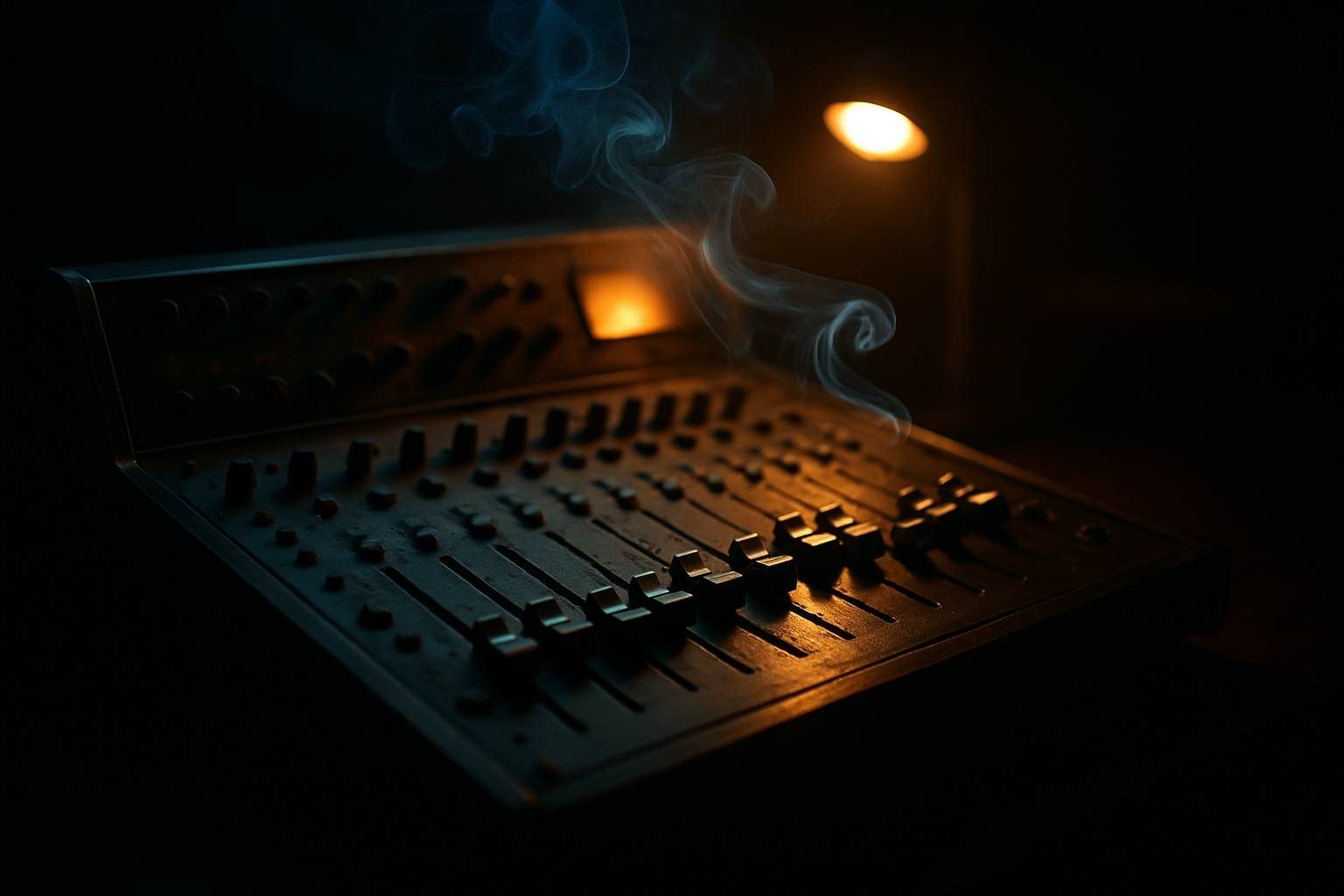
The One-Drop Meets the Drone
Something unusual is happening at the edges of reggae production this year. Producers raised on classic Studio One bass lines are starting to share studios, sample folders and ideologies with artists who came up making ambient music, modular synth pieces and slow electronic records. The result is a strain of reggae that still moves on the one-drop, but breathes differently around it.
You hear it in the way the snare sits further back in the mix, in the long sustained pads that replace the old organ bubble, and in the willingness to let a track run for ninety seconds before the vocal arrives. It is not fusion in the dancehall-meets-EDM sense. It is something more patient.
Why Dub Was Always Halfway There
Dub never needed to be reinvented for ambient sensibilities, because it was already pointing in that direction. King Tubby and Scientist were arguably the first ambient producers in popular music, treating the mixing desk as an instrument and silence as a texture. What the current generation is doing is closing the loop, openly citing artists like Brian Eno and Wolfgang Voigt alongside the Jamaican lineage.
The difference is contextual. Dub plates were built for soundsystems and crowds. The new wave is being built for headphones, for late-night drives, for the long attention spans that streaming has, against all odds, started to reward in certain corners. A track does not need to deliver its hook in fifteen seconds when the listener is already lying on a couch in the dark.
A Generation Trained on Bandcamp
Much of this shift can be traced to where these producers learned their craft. The current wave of reggae experimentalists did not grow up exclusively on yard tapes and 7-inch singles. They grew up toggling between Bandcamp tags, between dub techno EPs, drone compilations and vintage roots reissues. That browsing pattern shapes a producer's instincts in ways that show up years later in the mix.
What emerges is a reggae that feels comfortable with restraint. The bass is still central, but it is allowed to decay rather than thump. The horns, when they appear, often arrive once and then vanish, leaving only their reverb tail. The vocals frequently sit in a middle distance, processed enough to feel atmospheric without losing the warmth of human delivery.
The Listener Is Changing Too
This aesthetic shift would not work without an audience willing to meet it halfway. There is evidence that audience exists. Playlists built around so-called slow listening have grown steadily, and reggae adjacent tracks with ambient leanings have started appearing on them with surprising frequency. Younger listeners discovering reggae through these doorways do not necessarily arrive with preconceptions about what the genre should sound like. They arrive looking for mood.
That is a meaningful difference from how reggae has often been marketed to international audiences, where the emphasis falls on uplift, sunshine and rhythm. The new wave offers something else, closer to introspection. It is reggae for the after-hours rather than the afternoon.
What This Means for the Mainstream
None of this is replacing the chart-facing version of the genre. Dancehall continues its global negotiations with Afrobeats and reggaeton, and roots revivalists keep producing the kind of warm, sun-bleached records that have always found steady audiences. The ambient leaning current is a parallel track, not a replacement.
But parallel tracks have a way of bending the main road. Mixing techniques developed at the experimental edge tend to migrate inward over a few years, and it would not be surprising to hear a hit reggae single in 2026 with the spacious, decaying low end that today still feels like a niche choice. The center always borrows from the perimeter eventually.
For now, the most interesting reggae records are the ones that sound like they were made with the lights off and the door closed, by producers who know exactly where the one-drop goes and have decided, this time, to let it arrive on its own schedule.