
Hip-Hop's Producers Are Stepping Out of the Shadows
A new generation of beatmakers is reshaping rap by claiming co-billing, building their own audiences and treating the instrumental as the song itself rather than a backdrop.
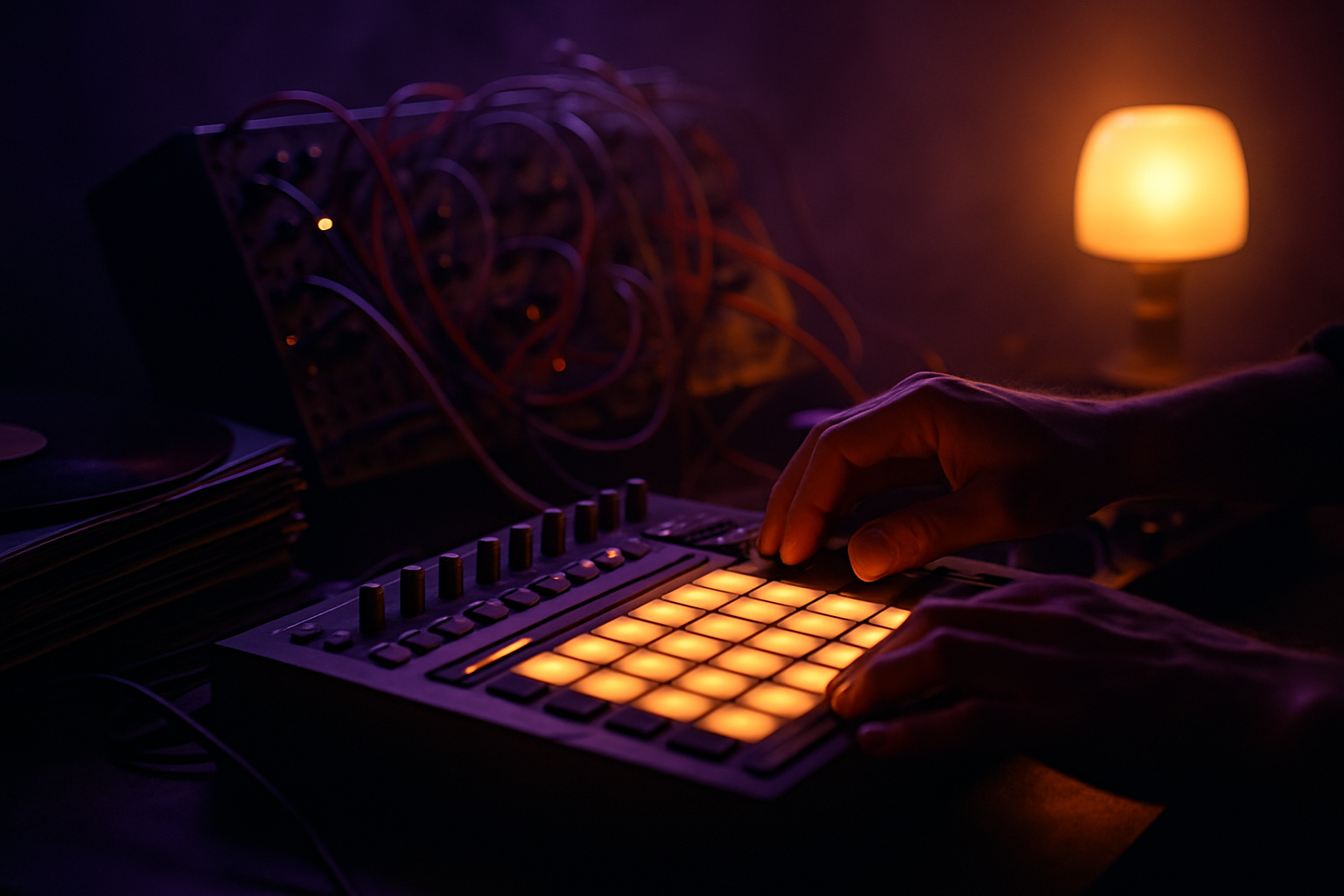
The Beatmaker Becomes the Artist
For decades, the producer in hip-hop was a name buried in liner notes, occasionally shouted out on a tag at the start of a track. That arrangement is dissolving. A growing wave of beatmakers are treating themselves as recording artists in their own right, releasing full projects under their own names and inviting rappers in as guests rather than the other way around.
The shift is partly economic. Streaming royalties favor the credited primary artist, and producers have noticed. But it is also creative. When the instrumental drives the streaming numbers, it makes sense to let the instrumental sit at the center of the conversation.
Loops Are Getting Stranger Again
Listen closely to what is charting in rap right now and you can hear producers reaching for textures that would have been considered too odd just a few years ago. Detuned pianos, brittle drum machines, sped-up soul fragments stitched against trap hats, and bass tones that feel almost industrial are all turning up in mainstream productions.
Part of this is a generational reaction. Younger producers grew up listening to lo-fi YouTube streams, plugg, jersey club edits and rage instrumentals all in the same afternoon. They do not feel obligated to pick a lane. The result is a hybrid palette where a track can swing from melodic and warm to aggressively distorted within a single verse, and listeners barely blink.
Regional Scenes Are Powering Global Sounds
One of the most underrated developments in current rap is how rapidly regional sounds are being absorbed into the mainstream. Jersey club drum patterns, once a New Jersey curiosity, now appear on records from artists who have never set foot in the state. Detroit's loose, conversational flow has shaped a generation of rappers from completely unrelated cities. Memphis-inspired phonk samples are turning up in productions made in Eastern Europe and Southeast Asia.
The internet has done what radio never quite managed. A teenager in São Paulo can study a Flint cadence at three in the morning and try it out by Friday. What used to take years to cross state lines now travels in hours, and the speed of that exchange is producing genuinely new dialects of rap rather than simple imitations.
Shorter Songs, Looser Albums
The two-minute rap song is no longer a novelty. It has become a default. Producers and rappers alike have figured out that attention spans reward density, and that a hook delivered in the first fifteen seconds outperforms a track that takes a minute to develop. Albums, meanwhile, are loosening up. The polished, twelve-song studio statement is giving ground to project formats that feel more like mixtapes: longer tracklists, looser sequencing, occasional voice memos, freestyles and interludes that would not have made it past an A&R desk a decade ago.
This is not laziness. It is a deliberate response to how people actually listen. Casual fans dip in and out of playlists, while dedicated fans want volume and intimacy. The new album format tries to serve both at once.
Lyricism Is Quietly Returning
For a while the conventional wisdom held that melody had completely overtaken bars in modern rap. That story was always too simple, and it is starting to feel outdated. A number of younger rappers are openly leaning into dense, reference-heavy writing, multisyllabic schemes and conceptual storytelling. They are not rejecting melody so much as refusing to choose between the two modes.
What makes this moment interesting is that the lyrical revival is not nostalgic. It is not about recreating a golden age. The references are contemporary, the cadences are shaped by current production, and the subject matter is rooted in present concerns rather than throwback posturing.
What It Adds Up To
Hip-hop in 2025 is not in crisis and it is not in a single defining era. It is in one of its most fragmented and inventive stretches in years, with producers asserting themselves, regional scenes feeding the center, and a generation of artists comfortable holding contradictions inside a single track.