
Funk's Quiet Renaissance Through Bedroom Producers
A new wave of solo funk producers is rebuilding the genre from home studios, trading horn sections for hybrid grooves and finding listeners through patient, mood-driven catalogs rather than radio.
The Solo Funk Producer Comes of Age
Funk used to require a room full of people. A horn section breathing as one, a rhythm section locked into a pocket so deep you could fall into it, a frontperson with enough charisma to hold the whole machine together. That image still defines the genre in most listeners' minds, but it no longer describes where much of the new funk is actually being made.
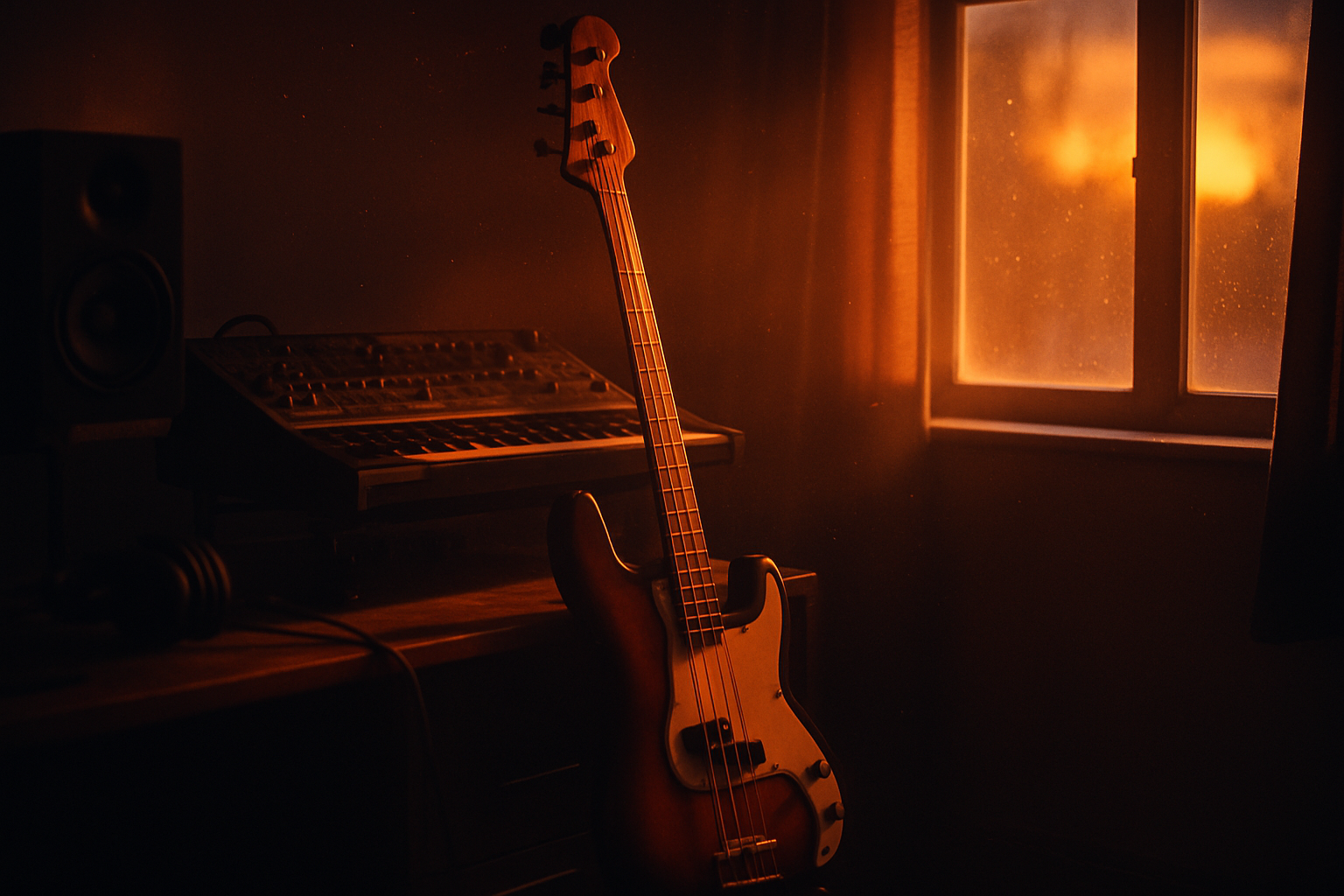
Walk through the lower and middle reaches of WorldWide Music Star's Funk chart and a different picture emerges. Projects like Deep Funky Town, currently sitting at the top of the genre with "Feel The Sunset Funk," point to a quieter, more solitary mode of production. One person, a laptop, a bass plugin, and a deep affection for the grooves of forty years ago.
Hybrid Grooves Over Pure Revival
What's interesting about this new crop of producers is that they're not really revivalists. The temptation, when you grow up loving a vintage sound, is to recreate it as faithfully as possible. Get the right compressors, the right guitar tone, the right drum kit, and chase authenticity until the track could pass for 1976.
The current wave is doing something else. Tracks like "Feel The Sunset Funk" wear their classic influences openly, but the production sits firmly in the present. The low end is fatter than anything that could have been pressed to vinyl in funk's golden era. The drums often borrow from house and lo-fi, with a swing that feels closer to a beatmaker's grid than a session drummer's wrist. Synth bass shares space with the kind of warm electric tones that used to define the genre.
This hybridization is what gives the new funk its staying power. It scratches the nostalgic itch without feeling like a museum piece, and it slots comfortably into the playlists where younger listeners actually discover music.
Mood Over Moment
There's another shift worth noting: the titles. "Feel The Sunset Funk" is not an accident of naming. A lot of contemporary funk tracks are explicitly built around a moment, a setting, a feeling. Sunset funk, summer funk, late-night funk, drive funk. The genre is being framed less as a style and more as an atmosphere you reach for.
This matters because it changes how the music gets consumed. Classic funk demanded your attention; it was party music or it was nothing. The new wave often functions as ambience, soundtracking a specific time of day or emotional register. That's not a downgrade. It's a survival strategy. By becoming useful in more contexts, funk has quietly extended its reach into corners of streaming culture that pure dance music can't easily occupy.
Patience as a Release Strategy
The other thing the new funk producers seem to understand is that they're not going to win on velocity. You don't tend to see funk tracks explode on social platforms the way pop or hyperpop does. The genre rewards repeat listens, deep cuts, slow word-of-mouth.
That's reflected in the modest numbers around even the chart leaders. A track can sit at the top of a genre with a handful of votes and a small but loyal Spotify base, and that's fine, because the people who find it tend to stay. They add it to personal playlists. They come back to it next summer. They follow the artist's next release. It's a slower compounding than the algorithmic lottery, but it's sturdier.
What to Watch Next
The most interesting question for funk over the next year isn't whether a major breakout artist will emerge. It's whether this distributed, bedroom-producer model will start to converge. There are early signs of small scenes forming around shared aesthetics and shared softwarescapes, with producers remixing and collaborating across borders without ever meeting.
If that pattern holds, funk in 2026 might look less like a genre with a center and more like a network of solitary craftspeople, each making sunset music for someone, somewhere, who needed exactly that groove on exactly that evening.