
Electro's New Wave Is Built on Concept, Not Hype
From lunar-themed singles to retro-futurist aliases, today's Electro artists are leaning into world-building and modest, steady audiences rather than chasing the next viral drop or festival-ready anthem.
A Genre Quietly Redefining Its Center
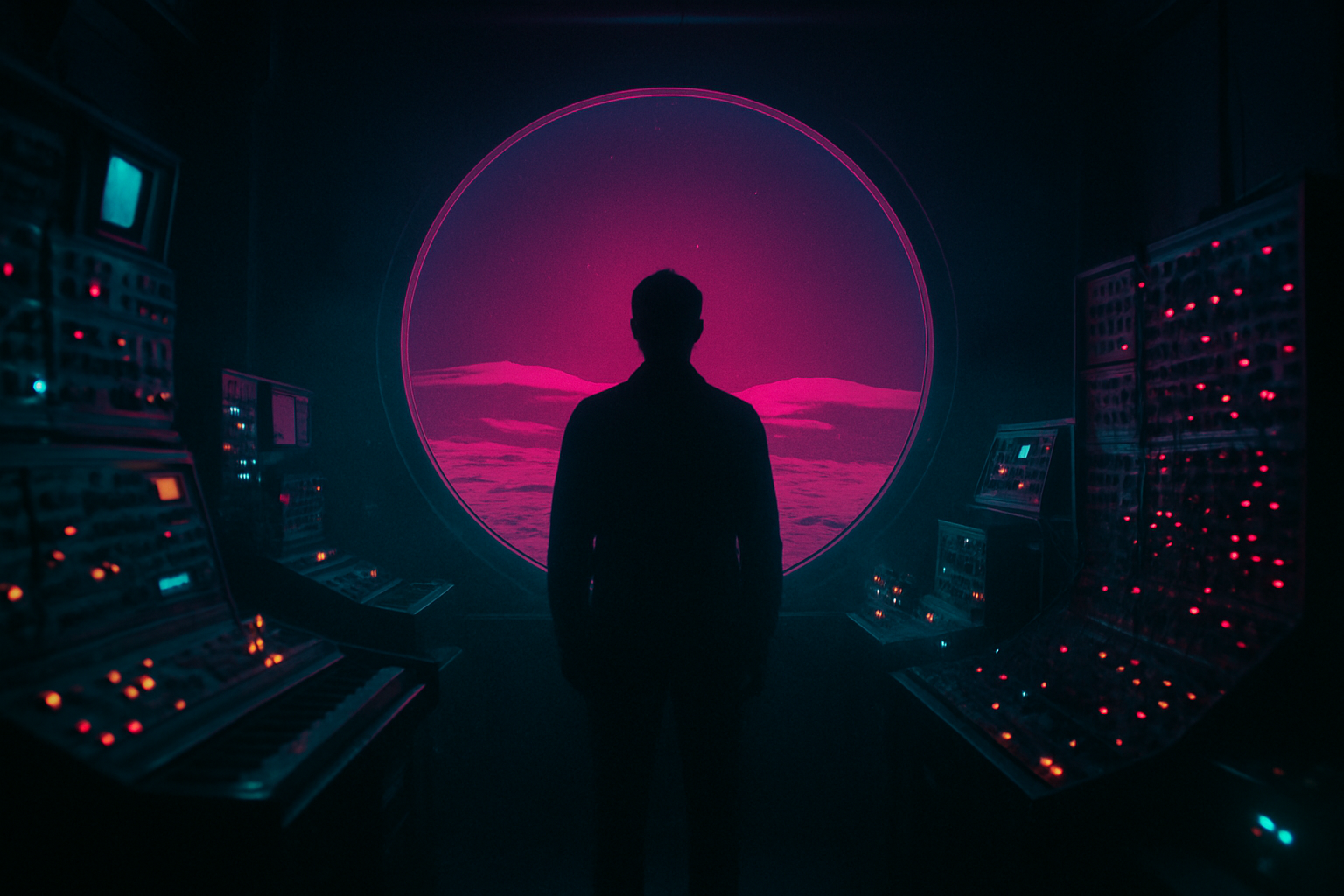
Electro has always been a shapeshifter. Born from drum machines and science-fiction daydreams, it has spent four decades absorbing techno, electro-pop, EDM and everything in between. But the version surfacing on independent charts in 2025 looks different from the festival-driven blueprint of the last decade. It is smaller, weirder and far more conceptual.
The current Electro leaderboard on WorldWide Music Star is a useful snapshot. A single project sits across the top three with a trio of tracks that share a sleek, cosmic sensibility, while the rest of the ranking is populated by aliases that sound less like artist names and more like science-fiction call signs: 2050, Cyberworld, FAST EDM. The aesthetic is unmistakable. Electro is once again about imagined futures.
World-Building Over Single-Track Strategy
What stands out in the upper ranks is not just the music but the framing. A track called "Return to the Moon" sitting beside "Dancing in the Wave" and "Dance All Night" feels less like a release schedule and more like chapters of a single record. That is becoming a defining trend in Electro. Producers are treating their catalogues as ongoing worlds rather than collections of singles tuned for playlist placement.
This approach mirrors what is happening in adjacent corners of electronic music, where artists are building visual identities, recurring sonic motifs and even loose narrative arcs across releases. The reward is loyalty. A listener who connects with one track is far more likely to dig into a connected universe than to chase a stand-alone hit. Modest Spotify counts paired with strong YouTube engagement, as seen across the chart, suggest audiences who are watching, not just streaming.
The Return of the Alias
Numbered names, all-caps logos, faceless project identities — they are everywhere in the new Electro wave. It is partly an aesthetic choice and partly a strategic one. By stepping behind a sigil rather than a personal brand, producers free themselves from the influencer treadmill that has consumed so much of mainstream pop and dance.
The alias also lets the music carry more weight. There is no biography to fall back on, no curated personality to lean against. A track has to do the talking, and an alias can evolve in ways a human face cannot. It can change genre, era, even mood without breaking the contract with the listener. For a genre built on transformation, that flexibility matters.
Small Numbers, Sharp Signals
It is tempting to read low vote totals and modest follower counts as a sign of a quiet scene. The opposite may be true. Electro has rarely been a chart-topping genre at independent level, and the artists doing the most interesting work in it have almost always operated below the radar of mainstream coverage.
The figures across this week's top ten — a handful of votes here, a few dozen Spotify followers there — point to something that streaming-era discourse often overlooks. A scene does not need to be loud to be healthy. It needs to be recognisable, navigable and connected. Electro producers are increasingly trading reach for resonance, and the listeners who do find them tend to stay.
What Comes Next for the Genre
The next twelve months in Electro will likely be shaped by three quiet shifts. Expect more conceptual EPs and mini-albums built around themes rather than singles. Expect more crossover with adjacent niches — ambient, synthwave, French touch revivalism — as producers refuse to be boxed into one tempo or one mood. And expect more emphasis on visuals, from low-budget animated videos to cohesive cover art series that turn a catalogue into a coherent statement.
Electro has always been a genre of the near future. What is striking about its current moment is how patient that future feels. There is less interest in chasing the next big drop and more in building something durable, strange and unmistakably someone's own. For a genre that started with machines pretending to dream, that is a fitting place to land.